Name, Seat and Purpose
1. The Global Mobile Suppliers Association, hereinafter called GSA, is an association
formed pursuant to Art. 60 et seq. of the Swiss Civil Code.
2. The seat of GSA is in Zurich, Switzerland.
3. The purpose of GSA is to strengthen the promotion of GSM/3G world-wide, to
ensure its continuous growth and geographical spread as the de facto world digital
cellular standard, to promote GSM/3G as the de facto basis for delivery of third
generation mobile wideband multimedia services, within the context of global ITU
IMT 2000 initiatives, and to enhance customer and service orientations of GSM/3G.
4. This purpose shall be achieved by:
- promoting and establishing GSM/3G products and services in new and existing
markets as an approved/preferred standard;
- establishing a neutral spokesforum for the GSM/3G supplier industry;
- increasing awareness and pro-actively supporting the take up of new capabilities
and enhancements to the GSM/3G standard and leverage GSM/3G capabilities
using e.g. WAP, to promote growth through capacity gains and enhanced
services;
- promoting world-wide new competitive opportunities for GSM/3G-based
applications;
- promoting GSM/3G network evolution to support third generation services;
- encouraging IT providers to develop efficient software tools and applications
based on GSM/3G, by delivering convergent Internet/intranet GSM/3G services;
- providing significant promotional effort at the global level;
- co-operating with the relevant industry fora and bodies, e.g. the GSM
Association, UMTS Forum, ETSI, and 3GPP;
- and by any other matters or initiatives deemed appropriate in the context of the
purpose of GSA.
اطلاعات عمومی
مطالب آموزشی و سرگرمی برای همه...
+ ۱۳۹۱/۰۸/۰۳
Q. When will the draft model articles be available?
A. The Companies (Model Articles) Regulations 2008 were made on 16 December 2008. The final version of the Model Articles are now available.
Q. Who will the draft model articles apply to?
A. Model Articles apply to private and public companies incorporated on or after 1 October 2009 who choose to adopt them in their entirety or with amendments. They also apply by default to companies formed under the Companies Act 2006 unless they register their own articles. These model articles apply to new companies incorporated on or after 1 October 2009. If the proposed company chooses to adopt model articles without any amendments it does not need to send a copy of the articles to Companies House.
Q. What is Table A?
A. All companies are required to adopt articles of association when they incorporate. Tables A to F of the Companies (Tables A to F) Regulations 1985 (more commonly know as Table A) set out standardised model articles, which companies can use as the basis for their own articles. If companies do not register their own articles of association, Table A applies by default.
Q. Why has Table A been amended?
A. Tables A to F have been amended to bring them in line with changes in company law. The Government made regulations in September 2007 making amendments to the Table A regulations to enable new companies formed on or after 1 October 2007 to take advantage of, and avoid conflict with the Parts of the Companies Act 2006 that came into effect by that date.
Q. What has changed?
A. The changes are set out in the Companies (Tables A to F) (Amendment) Regulations 2007 and the Companies (Tables A to F) (Amendment) (No2) Regulations 2007, which are available from the OPSI website and / or set out in a statement on the BIS website.
Q. Who does the new Table A apply to?
A. The new Table A applies to new companies incorporated on or after 1 October 2007 which do not register articles of their own when they apply to be incorporated. Companies are not obliged to use Table A, and can write their own articles or base them on the Table A articles. If companies do not register their own articles of association Table A applies by default.
Q. When was the new Table A introduced?
A. The new Table A came into force on Monday 1 October 2007.
Q. How do these changes relate to the new draft model articles that came into effect on 1 October 2009?
A. The regulations setting out the model articles were made in December 2008 and commenced on 1 October 2009. The changes to Table A have no impact on the model articles or the timing of the introduction. When the model articles came into force in 2009, they replaced Table A as default articles; but a company which already has the revised Table A and its articles will not be affected by the model articles unless it chooses to switch to them.
Q. I am about to register a new company - how does this affect me?
A. The changes made by Government to Table A in September 2007 have ensured that the default articles which apply when a company does not register its own articles, are consistent with company law in force from 1 October 2007.
Q. How do these changes affect an existing company?
A. New Table A does not affect existing companies unless they choose to adopt it. Existing companies can choose to amend their current articles of association, by special resolution, to bring them in line with changes in the law as expressed in the revised Table A.
Q. Is Table A available on the Companies House website?
A. Yes, the latest version of Table A is available on the Companies House website.
Q. What are the latest amendments to tables C and E and when they will take effect?
A. In April 2006 provision 54 of the Table C and provision 2 of the Table E were amended to bring them into line with the Companies Act 2006.
Regulation 54 of the Table C (vote of members) was ambiguous in terms of whether it allowed the proxies acting on behalf of members of a company limited by guarantee the new right to vote on a show of hands prescribed by sections 284 and 324 of the Companies Act 2006. Proxies are now specifically mentioned in the regulation.
Regulation 38 of Table E sets a notice period of 7 days for general meetings of unlimited companies. This was in conflict with section 307 of the Companies Act 2006 which requires at least 14 days notice so regulation 38 was deleted from Table E.
Q. Will there also be a model set of articles for companies that are limited by guarantee?
A. Yes.
+ ۱۳۹۱/۰۸/۰۳
What are Articles of Association?
The Articles of Association document is one of the legal documents and forms required to incorporate a UK company, as described in Company Formation. We offer Articles of Association templates suitable for use when forming a company limited by shares or when forming a company limited by guarantee.
This Articles of Association template set is suitable for use when registering a private limited company in England and Wales or Scotland. The documents comply with the Companies Act 2006 and are based on the model articles set out in The Companies (Model Articles) Regulations 2008. They are not suitable for companies wishing to register as a charity or for companies wishing to omit the word "limited" from the company name.
Companies House Articles of Association
All companies are required to adopt Articles of Association (commonly referred to simply as the Articles) when they incorporate. Tables A to F of the Companies (Tables A to F) Regulations 1985 (more commonly known as Table A) set out standard model Articles, which companies can use as the basis for their own Articles. If companies do not register their own Articles of Association, Table A applies by default. Tables A to F were amended to bring them in line with changes brought about by the Companies Act 2006 and the model Articles are now contained in the Companies (Model Articles) Regulations 2008.
The Articles of Association form the basis of a company's constitution and contain details of running the company, internal management affairs and liability. The Articles form a contract between the company and its shareholders or members and set out how the company will make decisions to ensure the smooth running of the company. The shareholders or members have total freedom to decide which rules to include in the Articles, provided that the rules are not against the law. The Articles adopted by a private limited company on incorporation will depend on whether the company is limited by shares or by guarantee.
Companies limited by shares
A company limited by shares is the type of company commonly used for forming a small business. These limited companies will have limited liability i.e. if the company fails there is no claim on the assets of the shareholders (beyond their original investment). The purpose of this type of company is to trade and make profits.
Shares are issued in return for a lump sum investment. Shares represent ownership of a company. If you buy shares in a company you become one of its owners. In a small business this investment may come from friends and family but for businesses looking for capital to fund high growth this funding will come from formal equity finance such as venture capital firms or stock markets. The advantage of issuing shares and raising money in this way is that you don't have to pay the money back or pay interest to the investors. Instead, shareholders are entitled to a share of the distributable profits of the company, known as dividends.
Shareholders appoint directors to run the company (often the same people in a small business) and are involved in making key decisions, such as whether a business should be sold.
Articles for companies limited by shares cover:
- Directors' powers and responsibilities;
- Appointment of directors;
- Shares and distributions, including the issuing of shares and the different voting rights attached to different classes of shares;
- Payment of dividends and other distributions;
- Capitalisation of profits;
- Decision-making of shareholders;
- General meetings;
- Voting at general meetings;
- Administrative arrangements;
- Directors' indemnity.
Companies limited by guarantee
A company limited by guarantee is the type of not-for-profit company commonly used to set up a club or an association. Companies limited by guarantee do not have shares and its members are guarantors rather than shareholders. Limitation of liability takes the form of a guarantee from its members to pay a nominal sum in the event of the company being wound up while they are a member or within one year of their ceasing to be a member. The amount of money that is guaranteed can be as little as £1 and is stated within the Company's Articles of Association. The members agree to contribute a membership fee or subscription, normally have equal voting rights and elect a board of directors. Any profits (often known as "surpluses") are not distributed as dividends, but may be used to support the activities for which the club is formed.
Articles for companies limited by guarantee cover:
- Liability of members;
- Directors' powers and responsibilities;
- Decision-making by directors;
- Appointment of directors;
- Members – becoming and ceasing to be a member
- Organisation of general meetings;
- Voting at general meetings;
- Administrative arrangements;
- Directors' indemnity.
Incorporating a company
A business cannot operate as a limited company until it has been incorporated at Companies House using the following documents - Articles of Association, Memorandum of Association and form IN01.
Memorandum of Association
The Memorandum of Association contains limited information compared to the Memorandum that was required prior to 1 October 2009 and no longer restricts what a company is permitted to do. The Companies Act 2006 provides that, unless a company's Articles specifically restrict the objects of a company, its objects are unrestricted.
It is no longer required to state the type of company, the location of its registered office or its authorised share capital in the Memorandum. It simply confirms the subscribers' intention to form a company and become members of that company on formation. For a company to be limited by shares, the Memorandum also provides evidence of the members' agreement to take at least one share each in the company. Information on capital and shareholdings, which was previously contained in the Memorandum prior to the coming into force of the Companies Act 2006, is now contained in the form IN01 as either a 'statement of capital and shareholdings' or a 'statement of guarantee' for those companies limited by guarantee.
Form IN01
Form IN01 contains details of the proposed company name, the location of the registered office address, the company secretary (if one has been appointed) and director(s), the subscriber details and the share capital details.
When you set up a company limited by shares, you can decide on the level of share capital and its division into fixed priced shares. A statement of capital and initial shareholdings must be delivered to Companies House on form IN01 on incorporation of the company. This will set out:
- the amount of share capital the company will have; and
- the division of the share capital.
The founders of the company must sign form IN01 and the memorandum of association and state the number of shares they want. These are then issued upon incorporation.
Once the above documents have been submitted to Companies House, a certificate of incorporation will be issued. The certificate is conclusive evidence that the requirements of the Companies Act 2006 as to registration have been complied with and that the company is duly registered under this Act.
Model Articles of Association
You can view samples online of a completed Articles of Association by following this link: Limited by Shares or Limited by Guarantee.
Articles of Association UK
These Articles of Assocations are suitable for use in the UK and include clauses covering:
- interpretation and limitation of liability
- directors' powers and responsibilities
- decision-making by directors
- appointment of directors
- organisation of general meetings
- voting at general meetings
- administrative arrangements
- directors' indemnity and insurance
- shares (only in limited by shares)
- dividends and other distributions (only in limited by shares)
- capitalisation of profits (only in limited by shares)
- becoming and ceasing to be a member (only in limited by guarantee)
Related Documents
These documents are available individually or as part of a Limited by Shares or Limited by Guarantee company formation package, both at £14.95 incl VAT.
They are also included in our Business Annual Subscription (£99 own use) or Full Annual Subscription (£199 own use) - giving you access to wide range of documents, packages and forms for a single annual fee.
If you wish to modify Articles of Association then you may need: Written Resolutions
+ ۱۳۹۱/۰۸/۰۳

Articles of Association
September 25, 2002 - [28.3 KB]
1. These present Articles of Association have entered into force upon their approval by the founding General Assembly on 2 October 1998 and have been revised on 25 September 2002.
Article 1
Article 2
Membership
1. Any company engaged in supplying GSM/3G products and services may apply for membership of GSA. The following membership categories are available:
? Executive Members
? Members
? New Venture Program Members (“NVP-Membersâ€)
2. Applications for membership shall be addressed to the Secretariat of GSA and applicants shall declare their commitment to the continuing success of GSM/3G and their willingness to conform to these Articles of Association.
3. Applicants shall specify the membership category to which they consider themselves to belong, based on the specifications issued from time to time by the Executive Committee. Upon approval by the Executive Committee of the membership category, the application shall be passed on to the General Assembly for approval.
4. The Members shall have the following rights:
? Executive Members: Each Executive Member has ten voting rights in the General Assembly, the right to appoint one representative (and one substitute representative) to the Executive Committee, the right to chair and participate in all action-oriented Project Groups, the right to receive one copy of all working documents, of the minutes of the meetings and of written deliverables from GSA and the right to use freely the GSA promotional material.
? Members: Each Member has three voting rights in the General Assembly, the right to participate in all action-oriented Project Groups, the right to receive one copy of all working documents, of the minutes of the meetings and of written deliverables from GSA and the right to use freely the GSA promotional material.
? NVP-Members: NVP-Members are start-up wireless content and applications developers who meet the qualification criteria as set forth in the corresponding NVP-Regulation of the Executive Committee. Each NVPMember has one voting right in the General Assembly, the right to participate in all action-oriented Project Groups, the right to receive one copy of all working documents, of the minutes of the meetings and of written deliverables from GSA and the right to use freely the GSA promotional material.
5. Elections for membership shall be valid when approved by three-quarters of the votes present, either directly or represented by proxy (“votes representedâ€), at the General Assembly meeting.
6. The membership starts with the approval. It ends by resignation, dissolution, bankruptcy or exclusion of the Member. Candidates for membership nominated by the Executive Committee shall, for the time period starting from the candidate's payment of the relevant membership fee to the next General Assembly, have information and participation rights as specified by the Executive Committee.
7. Members may only withdraw from GSA at the end of the calendar year, after having given six months' notice to the Secretariat.
8. Members may be expelled from membership by three-quarters of the votes represented at the General Assembly meeting.
9. The Executive Committee may expel any Member without formal approval by the General Assembly if such a Member's membership fee remains unpaid for six calendar months.
10. In the case of delinquency of any Member relating to its payment of fees obligation, the representative of such Member shall not be eligible for election to the Executive Committee, or chair any action-oriented Project Group, or be elected to, or undertake any other functions of GSA.
1. Any company engaged in supplying GSM/3G products and services may apply for membership of GSA. The following membership categories are available:
? Executive Members
? Members
? New Venture Program Members (“NVP-Membersâ€)
2. Applications for membership shall be addressed to the Secretariat of GSA and applicants shall declare their commitment to the continuing success of GSM/3G and their willingness to conform to these Articles of Association.
3. Applicants shall specify the membership category to which they consider themselves to belong, based on the specifications issued from time to time by the Executive Committee. Upon approval by the Executive Committee of the membership category, the application shall be passed on to the General Assembly for approval.
4. The Members shall have the following rights:
? Executive Members: Each Executive Member has ten voting rights in the General Assembly, the right to appoint one representative (and one substitute representative) to the Executive Committee, the right to chair and participate in all action-oriented Project Groups, the right to receive one copy of all working documents, of the minutes of the meetings and of written deliverables from GSA and the right to use freely the GSA promotional material.
? Members: Each Member has three voting rights in the General Assembly, the right to participate in all action-oriented Project Groups, the right to receive one copy of all working documents, of the minutes of the meetings and of written deliverables from GSA and the right to use freely the GSA promotional material.
? NVP-Members: NVP-Members are start-up wireless content and applications developers who meet the qualification criteria as set forth in the corresponding NVP-Regulation of the Executive Committee. Each NVPMember has one voting right in the General Assembly, the right to participate in all action-oriented Project Groups, the right to receive one copy of all working documents, of the minutes of the meetings and of written deliverables from GSA and the right to use freely the GSA promotional material.
5. Elections for membership shall be valid when approved by three-quarters of the votes present, either directly or represented by proxy (“votes representedâ€), at the General Assembly meeting.
6. The membership starts with the approval. It ends by resignation, dissolution, bankruptcy or exclusion of the Member. Candidates for membership nominated by the Executive Committee shall, for the time period starting from the candidate's payment of the relevant membership fee to the next General Assembly, have information and participation rights as specified by the Executive Committee.
7. Members may only withdraw from GSA at the end of the calendar year, after having given six months' notice to the Secretariat.
8. Members may be expelled from membership by three-quarters of the votes represented at the General Assembly meeting.
9. The Executive Committee may expel any Member without formal approval by the General Assembly if such a Member's membership fee remains unpaid for six calendar months.
10. In the case of delinquency of any Member relating to its payment of fees obligation, the representative of such Member shall not be eligible for election to the Executive Committee, or chair any action-oriented Project Group, or be elected to, or undertake any other functions of GSA.
Article 3
Organisation
The organisation and administration of GSA is vested in:
1. the General Assembly,
2. the Executive Committee,
3. the Auditor.
The organisation and administration of GSA is vested in:
1. the General Assembly,
2. the Executive Committee,
3. the Auditor.
Article 4
General Assembly
1. The General Assembly is formed by the representatives of the Members which have voting rights (hereinafter the "Voting Members").
2. Each Executive Member shall have ten votes, each Member shall have three votes and each NVP-Member shall have one vote. Notwithstanding the foregoing, each Member whose representative serves as elected member of the Executive Committee shall have five (instead of three) votes, and each NVP-Member whose representative serves as elected member of the Executive Committee shall have three votes (instead of one vote), during the term of office of their respective representative. Each Voting Member may appoint by special power of attorney the President or one of the Vice- Presidents of GSA or any of such Voting Member’s employees (but not another Voting Member or any other third party) in writing as its proxy to represent such Member at a meeting and vote on its behalf.
3. The General Assembly shall elect the President of GSA, the members of the Executive Committee (other than the representatives of the Executive Members appointed pursuant to Article 2 paragraph 4) and the Auditor. Elections shall be made by simple majority of the votes represented at a meeting. If no election has taken place in a first voting and if there is more than one candidate, there shall be a second voting in which the relative majority shall be decisive. The Chairperson (see Article 6) shall not have a casting vote.
4. The General Assembly shall take all decisions necessary to fulfil the purpose of GSA as laid down in Article 1. Unless otherwise provided for in these Articles decisions shall be made by simple majority of the votes represented at a meeting. The Chairperson (see Article 6) shall not have a casting vote. Upon the request of the Executive Committee, the General Assembly meeting may be substituted by a voting procedure in writing via mail (“written voteâ€), unless at least 10% of all votes request an oral discussion at a General Assembly. Decisions based on a written vote shall be made by simple majority of all the votes, unless otherwise provided for in these Articles.
In particular it takes the following decisions:
- Approval of the minutes of the last General Assembly
- Approval of the Annual Reports of the Executive Committee
- Approval of the financial statements of GSA
- Approval of the Annual Auditor's Report
- Approval of the Annual Business Plan
- Determination of annual membership fees
- Approval of new Members
- Expulsion of Members (subject to Article 2 paragraph 9)
5. The Executive Committee shall call a General Assembly meeting at least once a year, the agenda of which should be sent to the Members at least 20 days in advance. Voting Members representing not less than 20% of all the votes may request the President to call a General Assembly.
6. Voting Members wishing to have an item considered by the General Assembly must submit such item to the Secretariat not less than 50 days prior to the respective General Assembly meeting.
7. Any person engaged in GSM/3G related business who works for and is authorised by a Member may attend the meetings of the General Assembly. Anyone attending the General Assembly meeting shall be free to discuss any item on the agenda.
1. The General Assembly is formed by the representatives of the Members which have voting rights (hereinafter the "Voting Members").
2. Each Executive Member shall have ten votes, each Member shall have three votes and each NVP-Member shall have one vote. Notwithstanding the foregoing, each Member whose representative serves as elected member of the Executive Committee shall have five (instead of three) votes, and each NVP-Member whose representative serves as elected member of the Executive Committee shall have three votes (instead of one vote), during the term of office of their respective representative. Each Voting Member may appoint by special power of attorney the President or one of the Vice- Presidents of GSA or any of such Voting Member’s employees (but not another Voting Member or any other third party) in writing as its proxy to represent such Member at a meeting and vote on its behalf.
3. The General Assembly shall elect the President of GSA, the members of the Executive Committee (other than the representatives of the Executive Members appointed pursuant to Article 2 paragraph 4) and the Auditor. Elections shall be made by simple majority of the votes represented at a meeting. If no election has taken place in a first voting and if there is more than one candidate, there shall be a second voting in which the relative majority shall be decisive. The Chairperson (see Article 6) shall not have a casting vote.
4. The General Assembly shall take all decisions necessary to fulfil the purpose of GSA as laid down in Article 1. Unless otherwise provided for in these Articles decisions shall be made by simple majority of the votes represented at a meeting. The Chairperson (see Article 6) shall not have a casting vote. Upon the request of the Executive Committee, the General Assembly meeting may be substituted by a voting procedure in writing via mail (“written voteâ€), unless at least 10% of all votes request an oral discussion at a General Assembly. Decisions based on a written vote shall be made by simple majority of all the votes, unless otherwise provided for in these Articles.
In particular it takes the following decisions:
- Approval of the minutes of the last General Assembly
- Approval of the Annual Reports of the Executive Committee
- Approval of the financial statements of GSA
- Approval of the Annual Auditor's Report
- Approval of the Annual Business Plan
- Determination of annual membership fees
- Approval of new Members
- Expulsion of Members (subject to Article 2 paragraph 9)
5. The Executive Committee shall call a General Assembly meeting at least once a year, the agenda of which should be sent to the Members at least 20 days in advance. Voting Members representing not less than 20% of all the votes may request the President to call a General Assembly.
6. Voting Members wishing to have an item considered by the General Assembly must submit such item to the Secretariat not less than 50 days prior to the respective General Assembly meeting.
7. Any person engaged in GSM/3G related business who works for and is authorised by a Member may attend the meetings of the General Assembly. Anyone attending the General Assembly meeting shall be free to discuss any item on the agenda.
Article 5
The Executive Committee
1. The Executive Committee consists of the President of GSA (who may be an independent person and need not be a representative of a Member), and a certain number of Vice-Presidents. The members of the Executive Committee comprise the representatives of the Executive Members appointed pursuant to Article 2 paragraph 4 (hereinafter the “Primary Representativeâ€), up to two representatives of the Members elected by the General Assembly, up to one representative of the NVPMembers elected by the General Assembly and the President. Executive Members may appoint one substitute representative per financial year of GSA for their Primary Representative by sending a registered letter to the Executive Committee indicating the name and professional background of such substitute. Such substitute representative may execute the rights and discharge the obligations of the Primary Representative of such Executive Member, provided the Primary Representative is ill or otherwise unavailable.
2. The President shall be elected by the General Assembly for a term of service of one year. He or she may be re-elected. The members of the Executive Committee elected by the General Assembly shall be elected for a term of service of one year. They may be re-elected.
3. The Executive Committee shall meet as often as necessary. Meetings shall be convened by letter, fax or e-mail, specifying the agenda, at least 10 days before the meeting. Telephone and video conferences are also permissible, provided that the participants can be clearly identified. Decisions shall be made by simple majority of the members of the Executive Committee present at a meeting. Each member of the Executive Committee shall have one vote and the Chairperson shall not have a casting vote. Unless a member of the Executive Committee requests oral discussion, decisions may be passed by way of a circular resolution by fax or mail. Circular resolutions shall be passed by simple majority of all the members of the Executive Committee.
4. The Executive Committee shall be responsible for the administration and management of GSA and the nomination of candidates for membership. It shall carry out this duty according to general directions given by the General Assembly. It may appoint authorised signatories.
5. The Executive Committee shall appoint one of its members or a non-member of GSA as Treasurer of GSA. It may furthermore appoint a Secretary (who need not be a member of the Executive Committee) and assign to him or her specific duties and authorities regarding the administration and management of GSA.
6. The Executive Committee may appoint Liaison Officers to represent GSA on an adhoc or regular basis at specific organisations or at any meeting, debate or other occasion where matters affecting GSM/3G form part of the agenda.
7. The Executive Committee may appoint individual Technical Experts to deal with specific subjects related to GSM/3G on behalf of GSA.
8. The Executive Committee may grant the status of Observer to industry organisations or other bodies or entities dealing with matters related to GSM/3G.
9. The Executive Committee shall co-ordinate the dialogue with other sector-specific organisations working in the field of GSM/3G and shall be authorised to enter into co-operation arrangements with such organisations.
10. The Executive Committee may issue by-laws.
1. The Executive Committee consists of the President of GSA (who may be an independent person and need not be a representative of a Member), and a certain number of Vice-Presidents. The members of the Executive Committee comprise the representatives of the Executive Members appointed pursuant to Article 2 paragraph 4 (hereinafter the “Primary Representativeâ€), up to two representatives of the Members elected by the General Assembly, up to one representative of the NVPMembers elected by the General Assembly and the President. Executive Members may appoint one substitute representative per financial year of GSA for their Primary Representative by sending a registered letter to the Executive Committee indicating the name and professional background of such substitute. Such substitute representative may execute the rights and discharge the obligations of the Primary Representative of such Executive Member, provided the Primary Representative is ill or otherwise unavailable.
2. The President shall be elected by the General Assembly for a term of service of one year. He or she may be re-elected. The members of the Executive Committee elected by the General Assembly shall be elected for a term of service of one year. They may be re-elected.
3. The Executive Committee shall meet as often as necessary. Meetings shall be convened by letter, fax or e-mail, specifying the agenda, at least 10 days before the meeting. Telephone and video conferences are also permissible, provided that the participants can be clearly identified. Decisions shall be made by simple majority of the members of the Executive Committee present at a meeting. Each member of the Executive Committee shall have one vote and the Chairperson shall not have a casting vote. Unless a member of the Executive Committee requests oral discussion, decisions may be passed by way of a circular resolution by fax or mail. Circular resolutions shall be passed by simple majority of all the members of the Executive Committee.
4. The Executive Committee shall be responsible for the administration and management of GSA and the nomination of candidates for membership. It shall carry out this duty according to general directions given by the General Assembly. It may appoint authorised signatories.
5. The Executive Committee shall appoint one of its members or a non-member of GSA as Treasurer of GSA. It may furthermore appoint a Secretary (who need not be a member of the Executive Committee) and assign to him or her specific duties and authorities regarding the administration and management of GSA.
6. The Executive Committee may appoint Liaison Officers to represent GSA on an adhoc or regular basis at specific organisations or at any meeting, debate or other occasion where matters affecting GSM/3G form part of the agenda.
7. The Executive Committee may appoint individual Technical Experts to deal with specific subjects related to GSM/3G on behalf of GSA.
8. The Executive Committee may grant the status of Observer to industry organisations or other bodies or entities dealing with matters related to GSM/3G.
9. The Executive Committee shall co-ordinate the dialogue with other sector-specific organisations working in the field of GSM/3G and shall be authorised to enter into co-operation arrangements with such organisations.
10. The Executive Committee may issue by-laws.
Article 6
The President
1. The President of GSA may be an independent person and need not be a representative of a Member. He or she is Chairperson of the General Assembly and of the Executive Committee.
2. The President shall preside over all meetings of GSA and shall be an ex officio member of all action-oriented Project Groups.
3. The President is authorised to act and sign for and on behalf of GSA.
4. In case the President is permanently unable to carry out his or her functions, the Executive Committee shall be empowered to elect his or her successor until the next meeting of the General Assembly.
5. In the absence of the President at any meeting of GSA, one of the Vice-Presidents, appointed by the Executive Committee, shall act in his or her stead.
1. The President of GSA may be an independent person and need not be a representative of a Member. He or she is Chairperson of the General Assembly and of the Executive Committee.
2. The President shall preside over all meetings of GSA and shall be an ex officio member of all action-oriented Project Groups.
3. The President is authorised to act and sign for and on behalf of GSA.
4. In case the President is permanently unable to carry out his or her functions, the Executive Committee shall be empowered to elect his or her successor until the next meeting of the General Assembly.
5. In the absence of the President at any meeting of GSA, one of the Vice-Presidents, appointed by the Executive Committee, shall act in his or her stead.
Article 7
The Auditor
1. The Auditor is elected by the General Assembly for a term of office of two years.
2. The Auditor's duty is to examine the annual financial statements, the cash position and the accounts. It is at any time entitled to demand the production of accounts and documents and to inspect the cash balance.
3. The Auditor reports to the General Assembly.
1. The Auditor is elected by the General Assembly for a term of office of two years.
2. The Auditor's duty is to examine the annual financial statements, the cash position and the accounts. It is at any time entitled to demand the production of accounts and documents and to inspect the cash balance.
3. The Auditor reports to the General Assembly.
Article 8
Action-oriented Project Groups
1. The General Assembly shall form action-oriented Project Groups to deal with identified areas of interest to the Members of GSA.
2. Action-oriented Project Groups are open for all Voting Members. Each actionoriented Project Group shall be composed of representatives of three or more Voting Members.
3. Individuals who serve on action-oriented Project Groups shall have relevant expertise in the subject matter and actively contribute to the deliberations of the action-oriented Project Group.
4. Each action-oriented Project Group shall be chaired by one of its members which must be a representative of an Executive Member. The Chairperson shall be elected by the Executive Committee.
5. The detailed work plans of each action-oriented project group shall be approved by the Executive Committee.
6. Each action-oriented Project Group shall provide regular general progress reports to the General Assembly.
1. The General Assembly shall form action-oriented Project Groups to deal with identified areas of interest to the Members of GSA.
2. Action-oriented Project Groups are open for all Voting Members. Each actionoriented Project Group shall be composed of representatives of three or more Voting Members.
3. Individuals who serve on action-oriented Project Groups shall have relevant expertise in the subject matter and actively contribute to the deliberations of the action-oriented Project Group.
4. Each action-oriented Project Group shall be chaired by one of its members which must be a representative of an Executive Member. The Chairperson shall be elected by the Executive Committee.
5. The detailed work plans of each action-oriented project group shall be approved by the Executive Committee.
6. Each action-oriented Project Group shall provide regular general progress reports to the General Assembly.
Article 9
Finances, assets and membership fee
1. The financial year of GSA is the calendar year.
2. For the debts of GSA, only its assets can be held liable.
3. GSA shall cover its administrative costs and expenses, including the President's office (but excluding costs and expenses of other members of the Executive Committee), the GSA secretariat, the General Assembly meeting (but excluding costs and expenses of the Members for the participation), the legal fees, bank costs, etc. as well as the costs and expenses related to the core activities of GSA which figure in the budget for the relevant business year, such as the participation at key conferences or promotional activities.
4. The maximum membership fee shall be
- for Executive Members GBP 50,000;
- for Members GBP 20,000;
- for NVP-Members GBP 10,000.
Within these limits, the assessment of the annual membership fee shall be determined by the General Assembly taking into account the financial strength of each membership category referred to in Article 2 above and the number of Members in each such category.
5. Membership fees are due on demand for payment and shall be paid within 30 days.
1. The financial year of GSA is the calendar year.
2. For the debts of GSA, only its assets can be held liable.
3. GSA shall cover its administrative costs and expenses, including the President's office (but excluding costs and expenses of other members of the Executive Committee), the GSA secretariat, the General Assembly meeting (but excluding costs and expenses of the Members for the participation), the legal fees, bank costs, etc. as well as the costs and expenses related to the core activities of GSA which figure in the budget for the relevant business year, such as the participation at key conferences or promotional activities.
4. The maximum membership fee shall be
- for Executive Members GBP 50,000;
- for Members GBP 20,000;
- for NVP-Members GBP 10,000.
Within these limits, the assessment of the annual membership fee shall be determined by the General Assembly taking into account the financial strength of each membership category referred to in Article 2 above and the number of Members in each such category.
5. Membership fees are due on demand for payment and shall be paid within 30 days.
Article 10
Intellectual property rights
1. All patents, copyrights or other intellectual property owned or created by any Member shall remain the property of that Member. Such ownership shall not be affected in any way by the Member's participation in GSA, unless the Member specifically agrees otherwise. All material presented to GSA or its action-oriented Project Groups shall be deemed of non confidential nature and hence may be copied to the Members.
2. Each Executive Member and each Member is entitled to use the intellectual property rights of GSA, including the trade marks and service marks, to the extent that such use is allowed by the Executive Committee which shall also set forth the terms and conditions of such use.
1. All patents, copyrights or other intellectual property owned or created by any Member shall remain the property of that Member. Such ownership shall not be affected in any way by the Member's participation in GSA, unless the Member specifically agrees otherwise. All material presented to GSA or its action-oriented Project Groups shall be deemed of non confidential nature and hence may be copied to the Members.
2. Each Executive Member and each Member is entitled to use the intellectual property rights of GSA, including the trade marks and service marks, to the extent that such use is allowed by the Executive Committee which shall also set forth the terms and conditions of such use.
Article 11
Amendments to the Articles of Association and Dissolution of GSA
1. Amendments to the Articles of Association must figure on the agenda and require the
presence of 50% of all votes plus a majority of three quarters of the votes represented
(as defined in Article 2 Section 5) at the General Assembly meeting in question.
2. The dissolution of GSA must figure on the agenda and requires the presence of 50% of all votes plus a majority of three quarters of the votes represented (as defined in Article 2 Section 5) at the General Assembly. The dissolution of GSA based on a written vote (see Article 4 Section 4) requires a majority of three quarters of all the votes.
2. The dissolution of GSA must figure on the agenda and requires the presence of 50% of all votes plus a majority of three quarters of the votes represented (as defined in Article 2 Section 5) at the General Assembly. The dissolution of GSA based on a written vote (see Article 4 Section 4) requires a majority of three quarters of all the votes.
Article 12
Final Provisions1. These present Articles of Association have entered into force upon their approval by the founding General Assembly on 2 October 1998 and have been revised on 25 September 2002.
+ ۱۳۹۱/۰۸/۰۲
1
معاون غذا و داروی دانشگاه علوم پزشکی قم گفت: کارخانه تولید همبرگر پلمپ شد.
دکتر احمد زاده افزود : یکی از کارگران خط تولید کارخانه همبرگر 24
مهر در حین کار با چرخ گوشتی دچار حادثه و انگشت سبّابه وی قطع شد و لای
چرخ می ماند.
وی افزود: این کارگر پس از حادثه به بیمارستان شهید بهشتی قم منتقل و تحت مداوا قرار گرفته است.
دکتر احمد زاده افزود : به گفته مسئولان کارخانه ، پس از این اتفاق و
به علت پیدانشدن انگشت قطع شده ، تعداد 5 تغار (پاتیل )معادل 130 کیلوگرم
همبرگر آماده دور ریخته شد تا از سالم بودن محصول اطمینان حاصل شود .
وی با بیان اینکه این کارخانه دارای 47 کارگر است گفت : مسئول فنی
کارخانه در برابر این حادثه مسئول است و به علت اتفاق رخ داده این کارخانه
در حال حاضر پلمپ شده است.
معاون غذا و داروی دانشگاه علوم پزشکی قم از فعالیت هزار و 28 واحد
عرضه و تولید مواد غذایی در استان قم اشاره کرد و گفت : این کارخانه ها
بطور مداوم بازرسی می شوند و کارخانه پردیس نیز از ابتدای امسال تاکنون 5
بار بازرسی شده است.
یادآور می شود یک شهروند قمی پریروز(27 مهر) سه بسته همبرگر خرید اما
پس از باز کردن یکی از بسته ها با یک بند انگشت انسان در بین همبرگرها
مواجه شد.


+ ۱۳۹۱/۰۸/۰۲
سایت اداره آموزش و پرورش شهر بروجن در خبری ،تصویری از دانشآموزان را
روی خروجی خود آورده است که لحظه عزیمت آنان را پیش از حادثه غمبار جادهای
نشان میدهد.

+ ۱۳۹۱/۰۸/۰۲


+ ۱۳۹۱/۰۸/۰۲
زیست بوم: در بخش محیط زیست و گردشگری یک سایت به خبر/ گزارش عجیبی برخورد کردیم که بیشتر به یک شوخی می ماند! در قسمت ابتدای این نوشتار که با چند عکس همراه است آمده: «اسکول» نام این پرنده است. در خصوصیات این پرنده نوشتهاند که او وقتی برای زمستان غذا جمع آوری میکند محل نگهداری آنها را فراموش میکند و بخاطر همین با مشکل مواجه می شود، یا هنگام خانه سازی فراموش می کند که خانه اش را کجا ساخته است، اسکول اگر از لانه اش بیرون بیاید راه بازگشت را پیدا نمی کند.وقتی عکس یک پرنده زیبا البته با ظاهری خنگ را دیدم که زیر آن نوشته بود: “این عکس اسکول واقعی است”، خیلی برایم جالب بود. آنقدر که تصمیم گرفتم با گشتی در دنیای مجازی، اطلاعات بیشتری راجع به آن کسب کنم. حاصل این یافته ها به نتیجه جالبی ختم شد که خواندن آن برای شما دوستان هم خالی از لطف نیست!»

اما آیا پرنده ای به این اسم وجود دارد؟
پرنده ای به نام اسکول وجود ندارد!
اما واقعیت:
این پرنده که با یک سرچ ساده می توانید صدها عکس او را که دوستان ایرانی با عنوان “ اسکول” منتشر کرده اند Puffin یا طوطی دریایی نام دارد که پرنده ایست کوچک از تیره ماهیگیرک و سه گونه دارد. طوطی دریایی اطلس ، طوطی دریایی شاخدار و طوطی دریایی کاکلدار.
این پرندگان دریایی در سواحل زندگی کرده که غذا را در درجه اول با شیرجه زدن درون آب بدست میآورند. آنها در کولونیهای بزرگ در صخره های ساحلی و یا جزایر دور از ساحل، در شکاف میان سنگها یا در سوراخها در خاک لانه میسازند.
این پرنده از موجودات آبزی تغذیه میکند و اصولا پرنده ای مهاجر است پس نیازی به جمع آوری غذا ندارد! و غذایش هم قابلیت ذخیره سازی ندارد! ضمنا نسل این پرنده اصلا در خطر نیست و جمعیت مناسبی هم از این پرنده در اروپا دیده میشود و اگر قرار بود لانه اش را گم کند جوجه ها از گرسنگی تلف شده و تا به امروز نسل این پرنده از بین رفته بود!
تمام گونههای طوطی دریایی پرهای زینتی عمدتا سیاه و سفید، و منقار قوی و بزرگ دارند. در طول فصل تولید مثل دارای منقار رنگ روشن میباشند.قسمتهای بیرونی رنگی از نوک آنها پس از فصل تولید مثل ریخته، یک منقار کوچک و کند برجای میماند. بالهای کوتاه آنها را برای شنا کردن با تکنیک پرواز در زیر آب انجام میشود. مثلا نوع اطلس درهوا، بال خود را به سرعت (تا ۴۰۰ بار در دقیقه) در پرواز سریع بهم میزند، اغلب پرواز در سطح پایین بر فراز اقیانوس است.
لطفاً از انتشار اخبار غیر واقعی بویژه در مورد محیط زیست که هنوز برای برخی حوزه ای بسیار تخصصی است و هر مطلبی در خصوص آن را می پذیرند خوددداری کنیم.
+ ۱۳۹۱/۰۸/۰۲
برداشت نیوز-علی رغم هشدارهای پیاپی در خصوص نفوذ خزنده جریانی وابسته به ناتوی فرهنگی غرب در مراکز آموزشی و ادبی کشور متاسفانه شاهد هستیم این تشکل فعال در فتنه 88 اکنون با استفاده از امکانات آموزشی شهر تهران آن هم به طور رایگان در حال جذب و فعال کردن حلقه اجتماعی خود است.
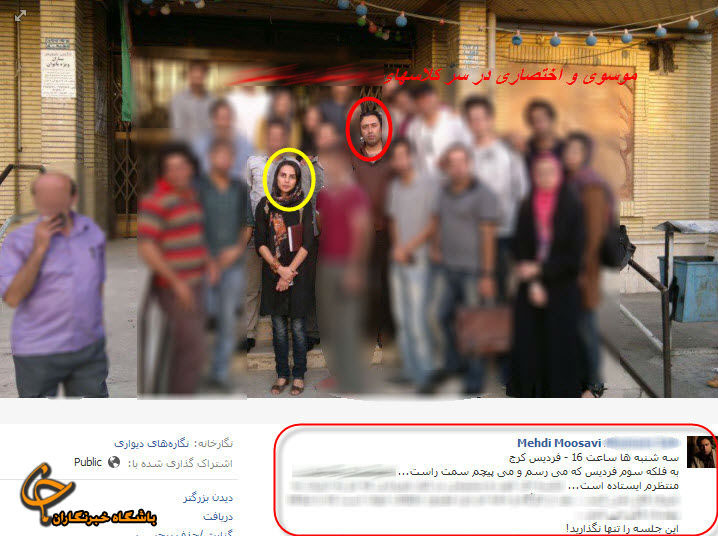
این حلقه به اصطلاح ادبی خود را در فضای مجازی با عنوان گروه " ما شرّیم " معرفی می کند. با كمپينهايي در شبكههاي به اصطلاح اجتماعي اثر موهن خواننده مرتد و هتاک به امام هادی (ع) را تبليغ ميكند و با قانون شکنی و فریب ماموران انتظامی در هیبت مردان در استادیوم های ورزشی حضور پیدا می کند تا راهکارهای دستگاههای جاسوسی غرب برای مبارزه با فرهنگ اسلامی ایرانی را تاثیرگذار تر از آنان در داخل کشور پی گیری کند.

این حلقه در بیرون فضای مجازی با حضور در کافی شاپ های شهرتهران و
برگزاری میهمانی های مختلط در شهرهای دیگر برای اقدامات خبیثانه خود برنامه
ریزی می کند. همه میهمانی های مختلط آنها بدون رعایت مسايل اخلاقي صورت می
پذیرد که تصاویر آن برای جذب نیروهای بیشتر برای گروه " ما شرّیم " در
شبکه های اجتماعی نیز منتشر می شود.

دختری دیگری هم در این حلقه با اسم مستعار" ناهید " حضور دارد که خواننده زیر زمینی است و با گسترده ارتباطی در شبکه های غیرقانونی چون فیس بوک برای کلاسهای دایر شده در فرهنگسرایي درشهر تهران عضو جدید و فعال جذب می کند و سروده های دوستانش را تبدیل به آهنگ کرده و به پدر خوانده گروه یعنی مهدی موسوی تقدیم می کند.

درباره وبلاگ
کافه فان / Cafefun.ir
سایت اطلاعات عمومی و دانستنی ها
سایت اطلاعات عمومی و دانستنی ها
موضوعات
- دانلود خلاصه کتاب و جزوه
- پوست، مو و زیبایی
- قبل و بعد ازدواج
- مراحل ازدواج
- برنامه های اندروید
- تنظیم خانواده
- دانستنیهای زنان
- خواص گیاهان و میوه ها
- داستان های کوتاه
- تعبیر خواب
- نکات خانه داری
- سخنان بزرگان
- تاریخ
- آشپزی خانواده سبز
- دوست یابی
- لینک های داغ
- دانستنیهای دختران
- بیوگرافی بازیگران و ..
- روانشناسی
- انواع فال
- اس ام اس جدید
- پزشکی و سلامت
- برای زوج های جوان
- دانلود 102 کتاب
- سخنان دکتر شریعتی
- کتاب های دکتر شریعتی
- شاعران معاصر ایرانی
- آرشیو نقد ادبی
- آموزش یوگا
- مشاهیر ایران و جهان
- روانشناسی کودک
- طنز
- مذهبی
- تکنولوژی و فن آوری
- تحقیق و پروژه های دانشجویی
- مقالات و پایان نامه معماری
- بانک احادیث
- رمان های معروف دنیا
- اشعار عاشقانه
- عکس های عاشقانه
- گالری عکس
- قرآن و ادعیه
- مقالات ماه محرم
- دانستنی ها..
- دانستنی های پزشکی
- دکوراسیون داخلی منزل
- نوشته های کوتاه و قشنگ
- خنده بازار
- شعر طنز
- اعتیاد و مواد مخدر
- اتومبیل ایرانی و خارجی
- اطلاعات علمی
- آموزش و ترفندهای کامپیوتر
- ورزش و تحرک
- کد آهنگ پیشواز ایرانسل
- مقالات مهندسی برق
- مقالات رشته حقوق
- غذاهای دریایی
- غذاهای گوشتی
- امیرالمومین علی (ع)
- دانلود نرم افزارهای اندروید
- قالب وبلاگ
- طنز پ نه پ .. جدید
آرشیو مطالب
- بهمن ۱۳۹۸
- دی ۱۳۹۸
- آذر ۱۳۹۸
- فروردین ۱۳۹۸
- بهمن ۱۳۹۷
- آذر ۱۳۹۷
- آبان ۱۳۹۷
- مهر ۱۳۹۷
- شهریور ۱۳۹۷
- مرداد ۱۳۹۷
- تیر ۱۳۹۷
- خرداد ۱۳۹۷
- اردیبهشت ۱۳۹۷
- فروردین ۱۳۹۷
- اسفند ۱۳۹۶
- آذر ۱۳۹۶
- آبان ۱۳۹۶
- دی ۱۳۹۵
- اسفند ۱۳۹۴
- آذر ۱۳۹۴
- مهر ۱۳۹۴
- تیر ۱۳۹۴
- اسفند ۱۳۹۲
- آذر ۱۳۹۲
- آبان ۱۳۹۲
- مهر ۱۳۹۲
- شهریور ۱۳۹۲
- مرداد ۱۳۹۲
- تیر ۱۳۹۲
- خرداد ۱۳۹۲
- اردیبهشت ۱۳۹۲
- بهمن ۱۳۹۱
- دی ۱۳۹۱
- آبان ۱۳۹۱
- مهر ۱۳۹۱
- شهریور ۱۳۹۱
- آرشيو
تبليغات
.:: This Template By : web93.ir ::.